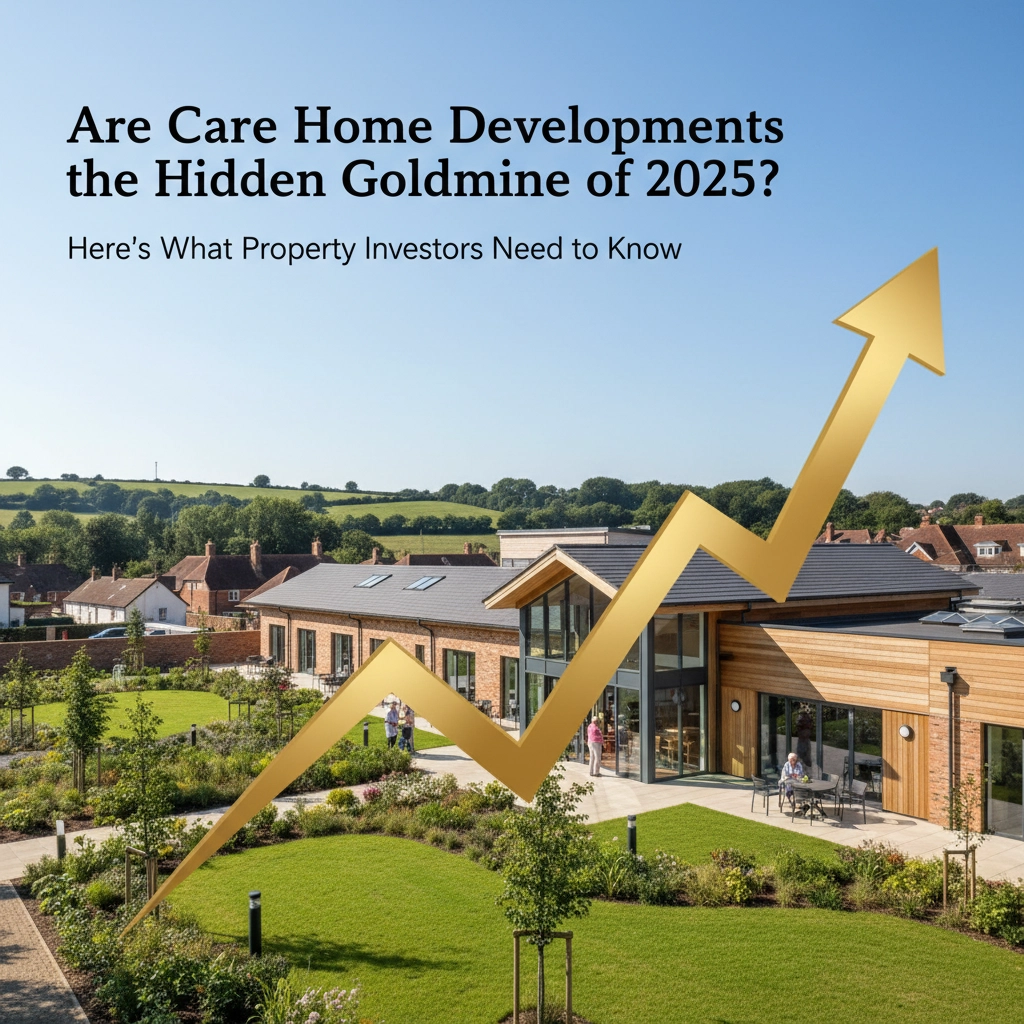
The senior housing sector is experiencing a transformation that's impossible to ignore. While many property investors have been chasing traditional residential and commercial developments, we've been watching care home developments emerge as one of the most compelling investment opportunities of 2025. The numbers don't lie: and the demographic forces driving this sector represent the kind of certainty that makes seasoned developers take notice.
At Woodcock Developments, we've seen firsthand how institutional investors are redirecting capital toward senior housing projects. This isn't a passing trend: it's a fundamental shift driven by demographic realities that will shape the property market for decades to come.
The Demographic Foundation That Changes Everything
The statistics tell a story that's both simple and profound. Every single day, 10,000 baby boomers turn 65. By 2030, all boomers will be at least 65 years old, and by 2050, nearly 90 million Americans will be 65 or older. This isn't speculation: it's demographic certainty that translates directly into concrete demand for residential care facilities.
We're not just talking about more seniors; we're talking about a generation with entirely different expectations. Today's seniors prioritize lifestyle, wellness, and social engagement in ways that previous generations simply didn't. They're demanding facilities that look and feel more like premium residential communities than traditional care homes.
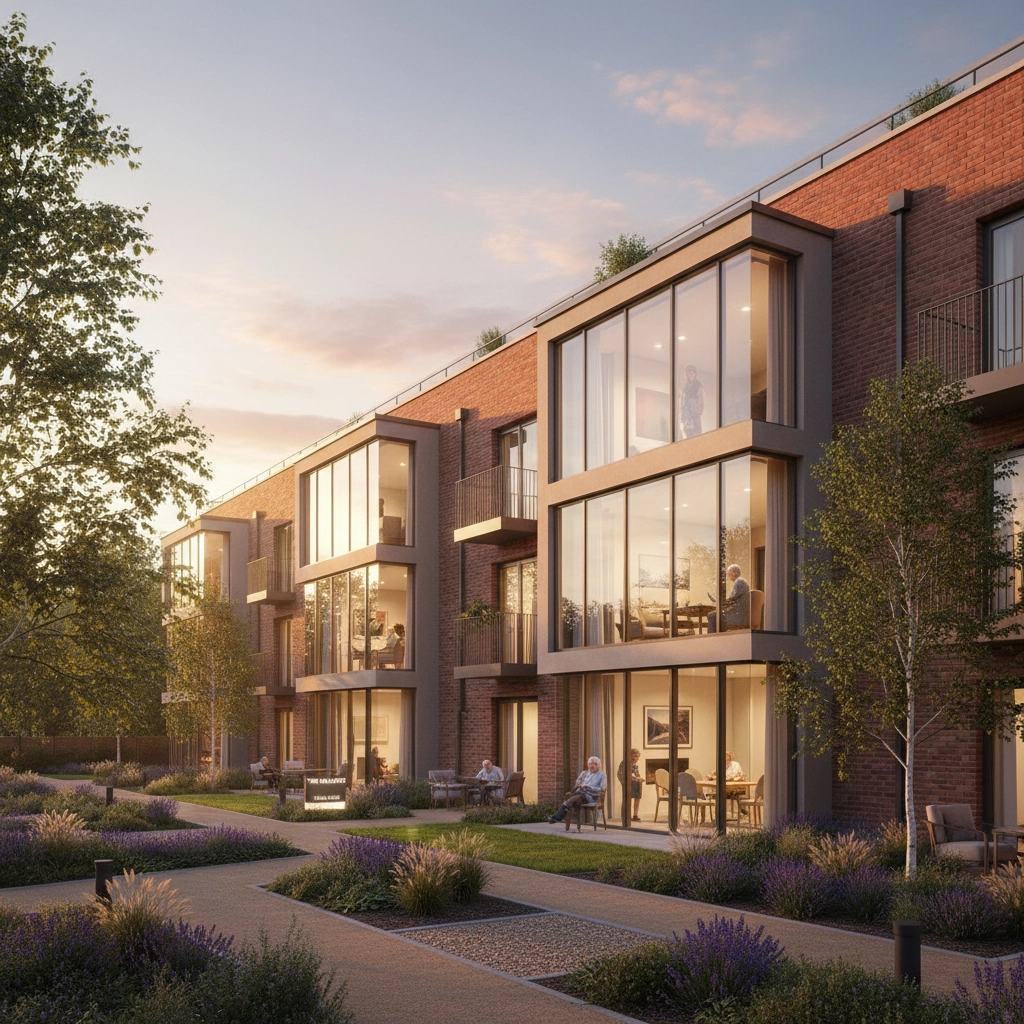
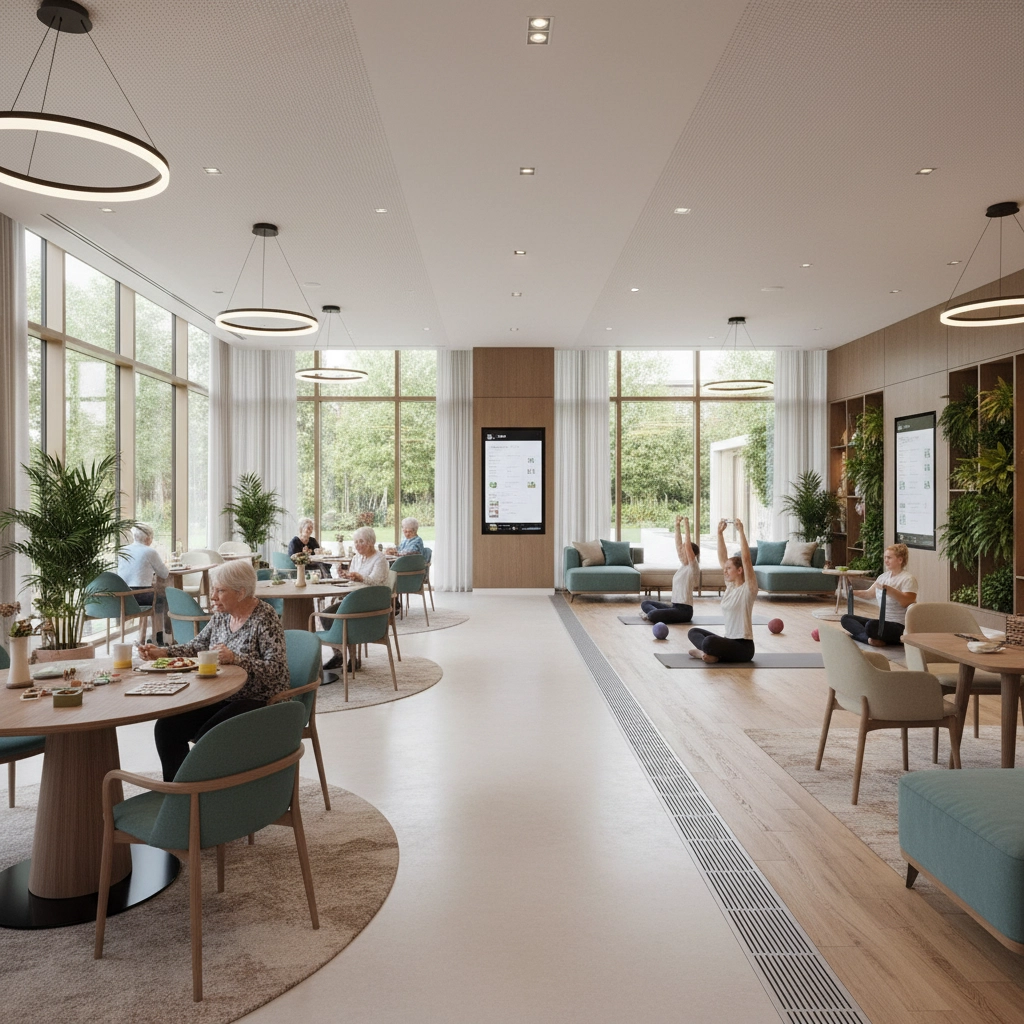
This shift has fundamentally transformed what senior housing communities offer and, consequently, what makes them attractive investments. Modern properties feature fitness centers, on-site healthcare, technology-driven care solutions, and amenities that rival luxury residential developments. The result? Higher rental rates, stronger occupancy levels, and more resilient revenue streams.
Capital Markets Finally Aligning With Opportunity
For the first time in several years, we're seeing capital market conditions align favorably with the sector's fundamentals. The investment market for care homes is experiencing a noticeable return of liquidity in 2025, with growing interest from institutional investors seeking stable investments with solid cash flows.
Bank lending improved significantly in 2024, and we expect debt markets to continue opening up throughout 2025. This is creating robust transaction activity and making it easier for experienced developers to secure financing for quality projects.
International investors remain a significant driving force in the care property market. We're seeing intensifying capital flows from North America, the Middle East, Asia, and across Europe. Despite economic uncertainties in other sectors, care home developments continue to attract global capital because of their stable framework conditions and long-term growth opportunities.
Investment Performance That Speaks For Itself
The numbers in senior housing are compelling. Occupancy rates are rising, rental rates are increasing, and investment returns remain strong throughout 2025. This performance is drawing investors who traditionally focused on other asset classes.

Recent investor surveys show that 57% of investors expect cap rates to compress further, and most investors want to increase their exposure to seniors housing in 2025. That level of confidence from institutional capital tells you everything you need to know about where smart money is heading.
We're also seeing a shift from traditional healthcare models that's creating new investment potential. With hospitals and long-term care facilities facing capacity challenges, senior housing communities are filling gaps by offering medical and wellness services in residential settings. This hybrid model reduces healthcare costs while improving residents' quality of life, creating more resilient revenue streams for investors.
The Real Constraints Smart Investors Navigate
While demand is robust, we need to be honest about the challenges. New development activity remains constrained due to limited access to development capital and elevated construction costs. The sector faces approximately £10 billion in loan maturities in 2025, requiring careful financial planning and strategic timing.
Construction costs continue to pressure margins, and despite strong demand, we're not seeing a flood of new construction. This constraint actually works in favor of developers who can secure financing and navigate the current environment: less competition means better opportunities for those who execute well.
Interest rates, while decreasing from their peaks, remain elevated by historical standards. The Bank of England's conservative stance suggests we won't see a return to pre-pandemic low rates in 2025. This reality requires developers to build stronger margins into their projects and focus on operational efficiency.
Where Smart Money Is Focusing
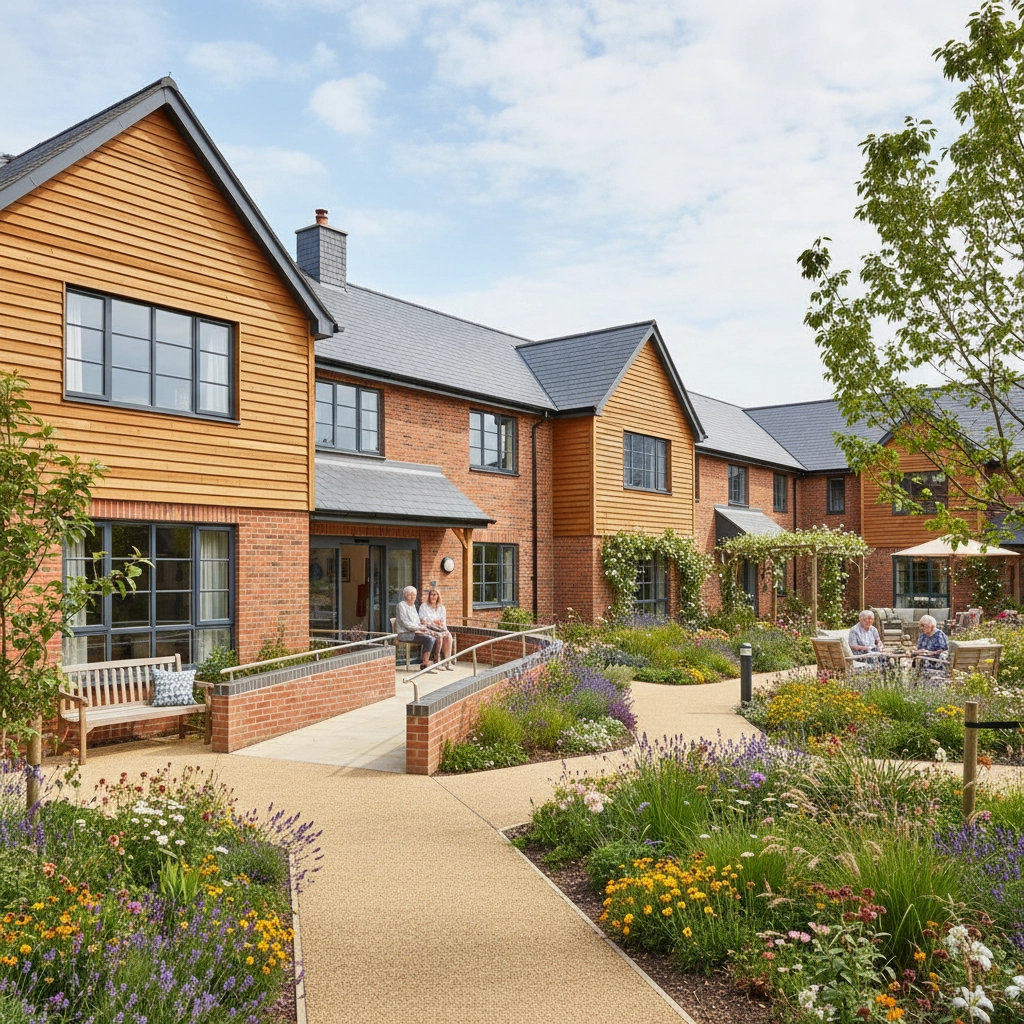
Not all senior housing opportunities are created equal. Independent and assisted living facilities are the primary targets for investor interest, rather than traditional nursing homes. Today's seniors and their families increasingly prefer smaller, boutique-style homes that emphasize dignity, personalized care, and community engagement.
This preference shift is reshaping where investors should focus capital. The most successful developments we're seeing combine residential comfort with professional care services in environments that feel more like premium housing than institutional facilities.
Strategic Considerations for Property Investors
Target the Right Segments: Independent living and assisted living represent the hottest segments. Boutique models and smaller, community-focused environments align better with both resident preferences and investor returns. We recommend focusing on developments that prioritize quality of life alongside quality of care.
Geographic Selection Matters: Large metropolitan regions with stable economic conditions are attracting the most capital and competition. However, well-located developments in secondary markets can offer better value entry points while still benefiting from demographic trends.
Partner With Quality Operators: Strong governance and high standards of care are becoming competitive differentiators. Investors who recognize that resident care drives better returns are establishing long-term relationships with best-in-class operators. This isn't just about doing the right thing: it's about protecting your investment.
Consider Acquisition Over Development: While there's strong demand for new facilities, construction cost constraints may make acquiring and repositioning existing facilities more attractive from a risk-adjusted return perspective. This approach can also accelerate time to market and reduce development risk.
Build for the Future: The seniors of 2025 expect technology integration, wellness amenities, and social spaces that support active lifestyles. Developments that anticipate these needs will command premium rents and maintain higher occupancy rates.
Our Experience in the Market
At Woodcock Developments, we've been active in the care home development sector throughout the evolving market conditions. Our approach combines deep understanding of regulatory requirements with practical experience in creating spaces that residents genuinely want to call home.
We've learned that successful care home developments require more than just meeting compliance standards: they demand thoughtful design that prioritizes resident wellbeing, operational efficiency for staff, and long-term value for investors. Our projects reflect this holistic approach, focusing on creating environments where people can thrive.
The demographic drivers behind care home demand aren't going anywhere. If anything, they're accelerating. For property investors willing to navigate the current constraints around construction costs and financing, the opportunities are substantial.
The Investment Verdict
Care home developments represent a genuine investment opportunity in 2025, but they're far from a passive investment. The demographic drivers are real, the market fundamentals are solid, and capital is increasingly available. However, success requires discipline, quality partnerships, and careful market selection.
The sector is no longer hidden: institutional capital is increasingly focused on senior housing. But for developers who understand the constraints, partner with quality operators, and focus on resident-centered design, the opportunities remain substantial.
We believe the investors who succeed in this space will be those who view care homes not just as property investments, but as essential infrastructure for our aging society. That perspective leads to better developments, stronger returns, and sustainable long-term value.
The golden opportunity in care home developments isn't just about demographics: it's about creating spaces where people can age with dignity while generating solid returns for investors. That combination of social impact and financial performance is exactly what makes this sector so compelling in 2025.
If you're considering care home development opportunities, we'd welcome the conversation about how our experience can help you navigate this evolving market successfully.