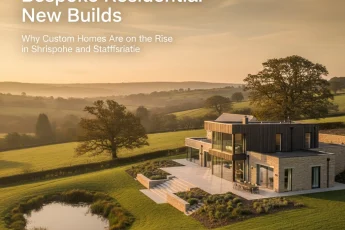

The British government has launched what officials are calling "the biggest era of building in the country's history," and these sweeping changes are reshaping the landscape for exclusive housing developments across the UK. If you're a property investor, developer, or looking at bespoke residential projects, understanding these policy shifts isn't just helpful: it's essential for your success.
With an ambitious target of 1.5 million new homes over the next four years, the government's Plan for Change is creating both unprecedented opportunities and new challenges for those working in premium residential property development. Let's dive into exactly what these changes mean for your projects.
But there is a harder edge for the luxury end of the market. Increased costs across the board, tax rises, higher stamp duty on premium purchases, and relentless build cost inflation are squeezing viability. For many bespoke residential projects, these headwinds are delaying starts, reducing specifications, or forcing schemes back to the drawing board.
The £16 Billion Game-Changer: National Housing Bank
The government has established the National Housing Bank, a publicly owned subsidiary of Homes England backed with £16 billion of financial capacity. This isn't just another government initiative: it's designed to unlock £53 billion in additional private investment, fundamentally changing how property investment projects get funded.
What makes this particularly interesting for exclusive developments is the bank's focus on large, complex sites that have historically struggled to secure upfront lending due to their risk profile. Using a mixture of equity investment, loans and guarantees, they're leveraging global institutional capital into UK housing markets.

For developers working on bespoke residential projects, this represents a significant shift. The bank will operate with long-term, flexible capital and greater autonomy to issue government guarantees directly, bringing the stability and certainty that housing developers desperately need across all market segments.
Chancellor Rachel Reeves has emphasized that the reformed fiscal rules now allow investment through government-backed institutions to attract private capital into projects that deliver benefits for working people and communities. While this might sound focused on affordable housing, the reality is that exclusive developments often anchor larger mixed-use schemes that benefit from this broader infrastructure support.
Planning Reforms That Actually Pack a Punch
The landmark Planning and Infrastructure Bill, set to become law in 2025, introduces transformative powers that will fundamentally change how exclusive housing developments navigate the approval process. We're talking about real, practical changes that address the frustrations we've all experienced with planning delays.
Here's what's changing:
- Ministers can now issue "holding directions" to prevent councils from rejecting planning permissions while they consider using call-in powers
- Nearly 900 major housing schemes were blocked in the past year alone: these new powers directly address this bottleneck
- Statutory pre-consultation periods have been slashed by a year, dramatically reducing timelines for large-scale developments
- Planning permissions can no longer be timed out for approved major housing schemes facing lengthy judicial reviews

For those of us working on high-end residential property development, this represents a fundamental shift in risk management. The uncertainty that has plagued development timelines is being systematically addressed, making it easier to plan, finance, and deliver exclusive developments with confidence.
The Infrastructure Reality Check
Despite these ambitious reforms, we need to talk honestly about the challenges that particularly affect exclusive housing developments. The most pressing issue remains the lack of supporting infrastructure, especially water and wastewater systems.
Recent delivery figures tell the story: only 201,049 new home completions occurred in the 12 months to June 2025, well below the 300,000 average needed annually to meet government targets. For bespoke residential projects, this infrastructure constraint often becomes the defining factor in site selection and project viability.
Financial viability has emerged as the critical bottleneck across the industry. Consistently, only half of residential planning permissions make it to construction over the last three years. For many projects, the combined costs of land, materials and labour exceed the value of completed development, while development finance costs have soared alongside UK interest rates.
The 2022 Building Safety Act has further impacted high-rise housing construction, with approvals taking up to 12 months and exacerbating viability challenges. For exclusive developments that often incorporate innovative design and construction methods, navigating these new safety requirements requires careful planning and expert guidance.
Cost Pressures: Taxes, Stamp Duty and Build Costs
The policy environment is pushing up the total cost of delivery, particularly for exclusive and luxury schemes. We are seeing:
- Higher stamp duty on premium and second-home purchases softening demand at the top end and eroding exit values.
- Tax rises and shifting reliefs increasing holding costs for investors and developers.
- Rising build costs driven by materials, labour, energy and compliance tightening already thin margins.
- Development finance costs that remain elevated, compounding the pressure on cash flow and appraisals.
The result? Fewer shovel-ready sites, more conservative lending, and a greater need to re-sequence or phase bespoke residential projects to protect quality and returns. We are advising clients earlier in the cycle to re-test assumptions, re-scope specifications and explore procurement strategies that keep programmes viable without sacrificing design intent.
Patient Capital: The Long-Term Opportunity
The government plans to deploy more than £20 billion of "patient capital" through Homes England and the National Housing Bank, aiming to support 500,000 homes beyond existing housing targets. This approach recognizes that quality residential property development takes time and requires investors willing to wait for returns.

For exclusive developments, this patient capital approach creates interesting opportunities. While government-backed finance may prioritize affordable housing, it simultaneously creates market momentum that benefits premium developers through improved infrastructure and streamlined planning processes.
This approach has already begun showing results through pilot projects in Greater Manchester, such as the Stockport Interchange regeneration scheme. Progress is expected to accelerate as capital allocated under the 2025 government spending review is deployed from April 2026.
What This Means for Property Investment Projects
The convergence of these policy changes creates a unique moment for those involved in property investment projects, particularly in the exclusive housing sector. Here's what we're seeing:
Opportunities:
- Faster planning approvals through ministerial powers
- Better access to finance through the National Housing Bank
- Reduced timeline uncertainty through judicial review reforms
- Infrastructure investment creating new development opportunities
Challenges:
- Rising build costs for materials, labour and compliance
- Tax rises and shifting reliefs increasing holding and operating costs
- Higher stamp duty on premium and second-home purchases dampening demand and exit values
- Increased competition for sites as development becomes more attractive
- Rising building safety compliance costs
- Infrastructure constraints limiting suitable locations
- Financial viability pressure from high construction costs and elevated development finance rates
For families and investors looking at bespoke residential projects, these changes mean more options but also the need for more sophisticated guidance in navigating the evolving landscape.
The Strategic Advantage of Expertise
At Woodcock Developments, we've been tracking these policy changes closely because they directly impact our clients' success. Our experience in residential property development means we understand not just what these changes say on paper, but how they play out in practice.

We work with property investors, developers, and families who want exclusive, well-designed homes that stand the test of time. These government reforms create opportunities, but they also require navigation by teams who understand both the technical requirements and the strategic implications.
Whether you're looking at care home developments that benefit from the social infrastructure focus, or bespoke residential projects that leverage the new planning powers, having partners who understand the changing landscape makes all the difference.
Looking Ahead: The New Development Landscape
The British government's impact on exclusive housing developments represents more than policy changes: it's reshaping the fundamental economics and timelines of property development. The combination of financial backing, planning reform, and infrastructure investment creates a more predictable environment for quality developments.
For those considering property investment projects, the message is clear: the landscape is changing rapidly, and those who understand these changes will have significant advantages. The government's commitment to 1.5 million new homes creates momentum that benefits all development sectors, from affordable housing to exclusive residential projects.
The key is working with developers who not only understand these policy shifts but have the experience to help you navigate them successfully. Whether you're a property investor looking for your next opportunity, a developer planning a major project, or a family wanting a truly bespoke home, understanding these government impacts isn't optional: it's essential.
Ready to explore how these changes could benefit your next project? We'd love to discuss how our expertise in residential property development can help you make the most of these evolving opportunities. Contact us to start the conversation about your bespoke residential project.